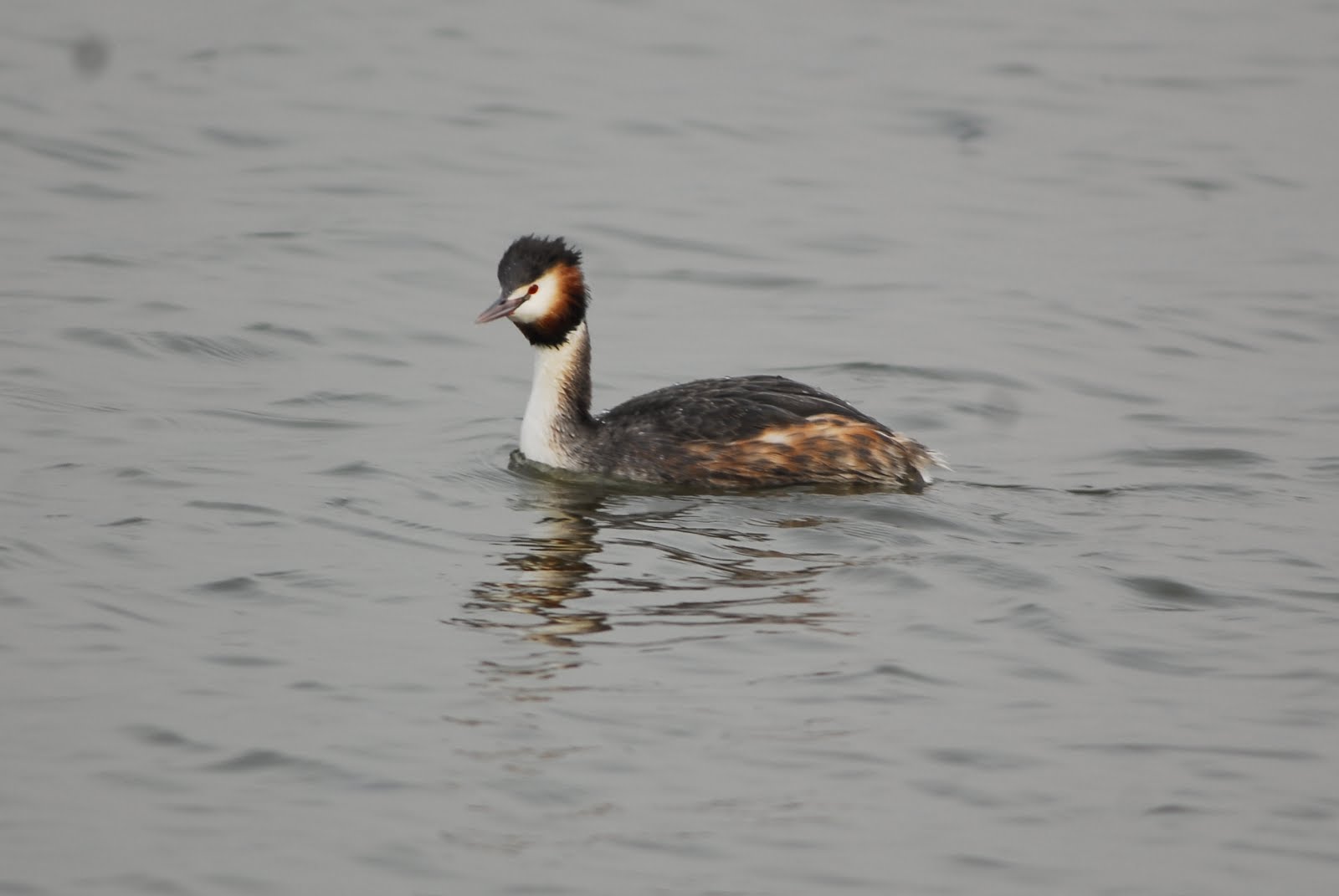
Another day with 'Harry' and in quick succession both Brambling and
 Black-faced Bunting were added to the list, while there were still plenty of
 Rustic Buntings to be seen.
 A diversion from the birding for an hour, but not from the birds
 as this is Seosan Bird Land, a splendid museum dedicated to our Avian friends.
 Never did get to know what the Psychedelic Pyramid next door was all about, forgot to ask.
 Just some of the beautifully displayed exhibits.
 By now Baikal Teal, or more like lack of it, was becoming something of a joke, the V is for Victory - here's hoping.
 Continuing the Wildlife Adventure, up ahead there was just a shape in a small tree which at first glance looked to be another large Owl or other Raptor,
 but driving ever closer it was seen to be a
 Korean Leopard Cat
No need to 'borrow' photos from Wikipedia today! as Harry went on to tell me how unusual it is to see this feline up a tree. He suggested there may be something wrong, maybe injured,
 as a second Cat appeared from the undergrowth, this was strictly 'Territorial'.
 The 'adult' cat on the ground paced up and down,
 sometimes just sitting and pondering
 but there was certainly a stalemate here.
 The adult was now getting angry,
 occasionally growling and baring its teeth,
 which seemed to be having little effect on the juvenile aloft.
 having watched this 'stand-off' for a full 30 minutes, the young userper decided to make a bolt for it with the last moments of the encounter resulting in much growling and squealing from within the thicket.
 Harry makes another desperate attempt at finding a Baikal Teal
 from behind the Bird Society Blind, as the best bird of the day showed its hand.
 This juvenile White-tailed Sea Eagle was first spotted by Harry some miles away and at altitude. i didn't even get onto it,
 but I sure as hell did when it flew directly over our heads, only 3 or 400 feet up.
 While these tiny photographs give no idea of the annormity of the devestation here, it is true to say that once most of this area was like this
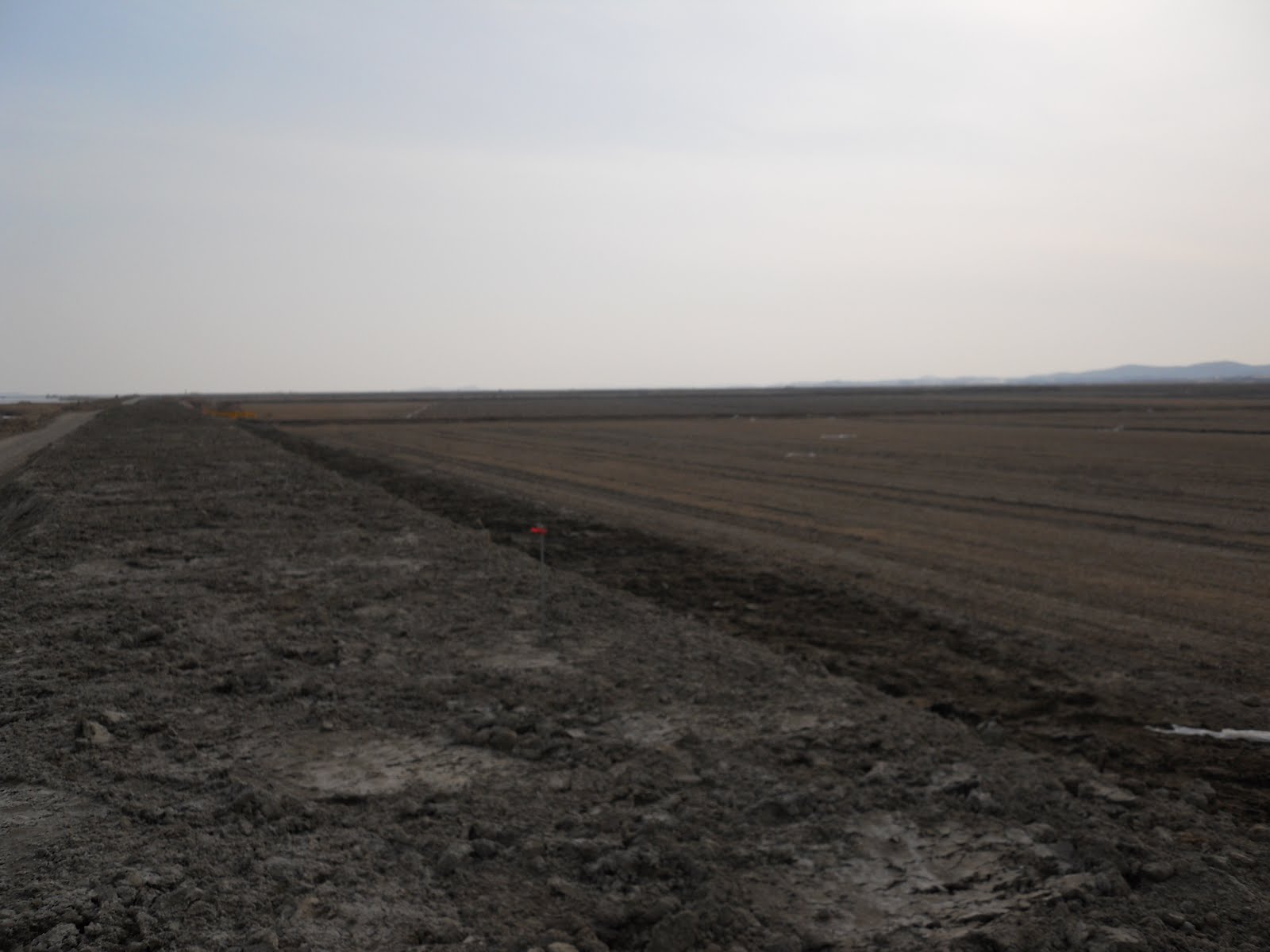 but now turned into this.