Thursday, 3 January 2013

Bonaire - Dutch Antilles


A fantastic start to the day as I had a meeting with HM the Queen, not personally you understand but on the stage of ‘World Listing’ my ‘Counties Visited’ now reaches the same number as her good self, 133! As far as ‘birding’ is concerned Belaire doesn’t have a lot more to offer than has already been seen this trip, and it very quickly became apparent that the best site (National Nature Reserve) to the north is only accessible by 4 wheel-drive. Peter, Janet and I decided on a taxi to the southern edge of the Reserve, starting in what must be the smallest village in the world - No Houses!
but first a few shots during our departure form
First we steamed 'up harbour' giving very good views of the size of the place

before turning short around to get the final look at this smart town.
 
 cosists of a couple of sheds and as the name suggests, 2 Wells,
both are in fact medium size ponds
 First on the day list was PEARLY-EYED THRASHER
CARIBBEAN ELAENIA
BROWN-THROATED PARAKEET
only 2 species of Vireo have been recorded on this island, one is
Red-eyed Vireo
 the other what I believe this to be
BLACK-WHISKERED VIREO despite the lack of moustachial stripe.
CACTUS 
As we reached the lake and the active CHARCOAL MAKER
 much of the National Park opened before us

 
 c18 LESSER YELLOWLEGS were seen here

 followed by another CARIB ELAENIA
 Some of the previous images shoe 'stands' of tall Cactus which we marveled at for looking so spindly that they might be toppled by the lightest breath of wind. We then noted this one that had snapped off to reveal the 'strength within. Like steel rods reinforcing concrete, these natural 'rods' seem to serve the same function.
We had given as close an inspection as we could, through dense vegetation, at one of the pond to find nothing.
On our return we started a Wild Boar at the wallow and this BLACK-NECKED STILT*, the America's version on our own,
 along with c2 Least Sandpiper (all birds picked up initially by Janet) an addition to the list.
There were coincidentally c18 Stilt as well.
 BROWN-CRESTED FLYCATCHER* was the second and final addition.

 There was time to take ina couple of views on the way back.
Here VOYAGER can be seen middle distance.
and further over the active SALT PANs
 where later we found a dozen or so


 GREATER FLAMINGO

 This large and very colorful fish was swimming close to the ship and thought well worthy of a shot
while this TURNSTONE seemed to have been awaiting our return.

Wednesday, 2 January 2013

Curacao - Netherlands Antilles

 A HAPPY NEW YEAR TO ALL OUR READERS ACROSS THE GLOBE
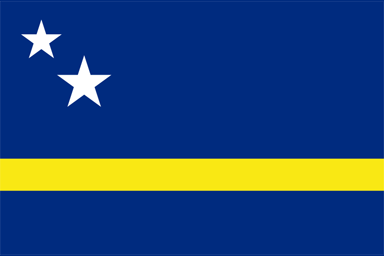
 While the Caribbean Island of Curacao is still geographically part of the Netherlands Antilles Group, she is now totally autonomous and regarded as a separate country or state.

CURACAO
With a larger number of photos today than the average, the narrative will be reduced to redress the balance.
We were escorted into the beautiful port of Willemstad early this morning
by a LAUGHING GULL
 and BROWN PELICAN.
Typical Dutch influence shows in this well kept and clean city the moment you step ashore.

 The 'SWING BRIDGE' that opens the port up to the sea, allowing the largest of ships to berth here. Unfortunately, with the small camera broken this is not the best of images. I'll see if I can borrow some others.
 'Prima Almerante' LUIS BRION - I know his brother Haut very well!
 GREY KINGBIRD
 BARE-EYED PIGEON
TROUPIAL (they should be common here!)
 EARED DOVE
 juvenile EARED DOVE
COMMON GROUND DOVE
Don't quite know what these figures are all about but remind me of the Mayan
PACHA PAPA 
PACHA MAMA
TROPICAL MOCKINGBIRD
 BROWN-THROATED PARAKEET
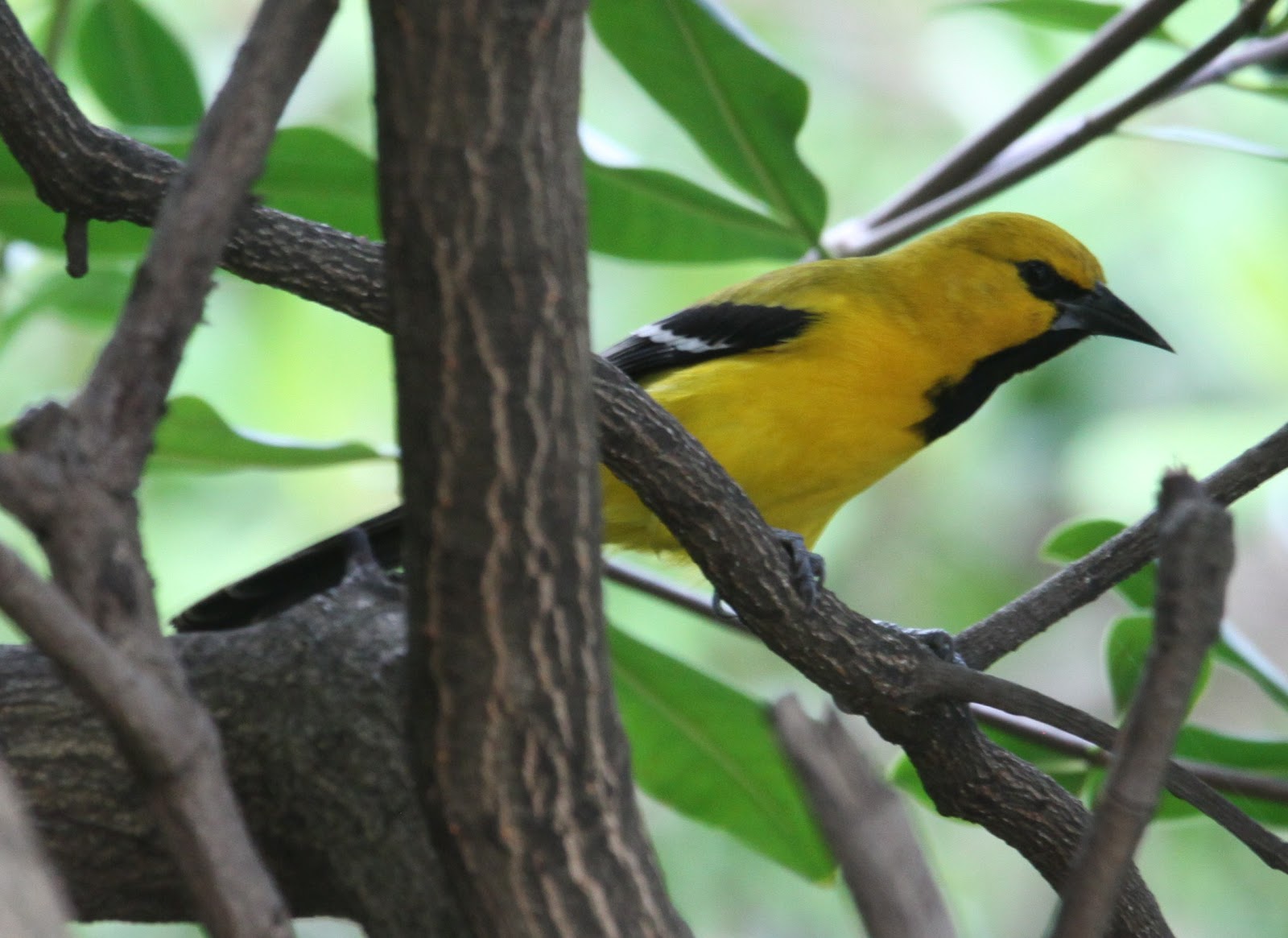
 YELLOW ORIOLE
 Local Churck

 WHITE-TIPPED DOVE and all this before reaching the Bus Stop.
A 30Km ride to the north west point of the Island and

WEST POINT

RUFOUS-COLLARED SPARROW
more BROWN-THROATED PARAKEETs

 and how did that get in here? - HOUSE SPARROW
 SAFFRON FINCH
 BUTTERFLY Sp
 Common Ground Dove in what looks like a natural woven cage,
and this looking to be in a man mad cage?
 No, just some old discarded wire and GREEN IGUANA
LIZARD Sp
 BLACK-FACED SEEDEATER
What I would have happily call a male Yellow Warbler
but these Island variations, the female to follow,


 are 'GOLDEN' WARBLER. A lot of photos agreed, but what a stunning bird?
Another TROUPIAL, I was sure there would be more, in fact a dozen in total. 
GREEN IGUANA on a 'Hot Tin Roof'
 YELLOW ORIOLE at a feeder,

 Yes, and more!
 Small MONITOR (type) LIZARD
LIZARD SP

and to end, the Filipino DECK CREW replacing the anchor we lost in Little Bay, Margarita.