Firstly a correction to our last Post where one Moth was captioned Rosy Rustic, this was in fact a

BORDERED SALLOW
a new addition to the Property List with thanks for putting me right.
The hottest day of the year without a doubt and the thermometer, exposed to the glare of the sun, topping 100°F
well before noon. Such days are guaranteed to get most Insects on the
wing so, after attending to the traps, it was a wander along the banks
of the River Stour.
SMALL SERAPHIM

SWALLOW-TAILED MOTH

SHEARS
the Micro

CHILO PHRAGMITELLA
a reed-bed species which is often caught well away from that type of habitat.

The Spider

TIBELUS OBLONGUS

What are generally referred to as
Burying Beetles
NECROPHORUS INVESTIGATOR
Reading
up on these fascinating insects from Michael Chinery's work A Field
Guide to the Insects of Britain and Northern Europe this most
interesting passage was found.
Burying
and Sexton Beetles are so called from the habit of some species burying
small carcasses. These Beetles have a good sense of smell and they are
attracted to carrion.The first individuals of each sex to arrive at the
carcass appear to fight later arrivals and turn them away. After mating,
the Insects set to work of burying the carcass - bird, mouse, mole etc -
by removing the soil beneath it. The jaws and tibiae are used in this
operation, grass roots and other small obstacles being no problem for
their strong jaws. They have even been known to amputate the limbs of a
victim to ease its passage down through the soil and also drag a dead
animal to another position where the soil is easier to dig. When the
carcass is buried, the female excavates a small passage leading off from
the burial chamber and lays her eggs there. She then returns to the
carcass to eat, feeding the offspring with regurgitated food until they can feed from the carcass themselves.
Very Interesting and we'll have another Bedtime Story for you tomorrow!
More Insect activity on the banks of the River Stour
More Insect activity on the banks of the River Stour


this a male




these tiny Horses come just up to my knee in height.


I'm the nearest she has been thus far.

have been conspicuous by their absence during the past
2 weeks. It's usual to see young birds here by this time of year,
there were only c4 adults to be seen today.


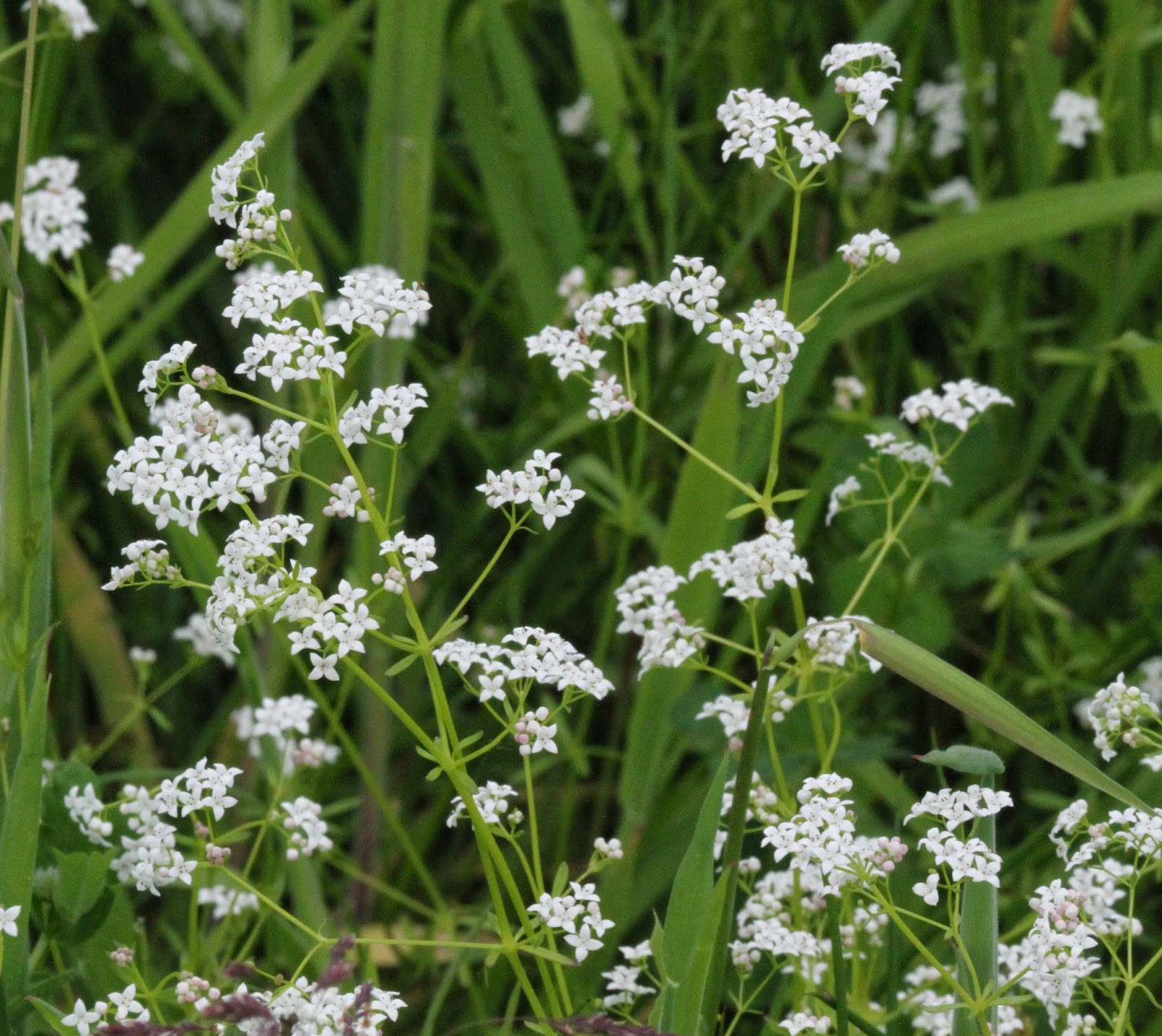
PARROTS FEATHERS
is now covering much of the
Parley Pond.
| Entry | Pageviews |
|---|---|
United Kingdom
|
502
|
United States
|
450
|
Germany
|
135
|
Russia
|
51
|
Estonia
|
46
|
France
|
19
|
Canada
|
17
|
Australia
|
10
|
China
|
8
|
Ukraine
|
7
|